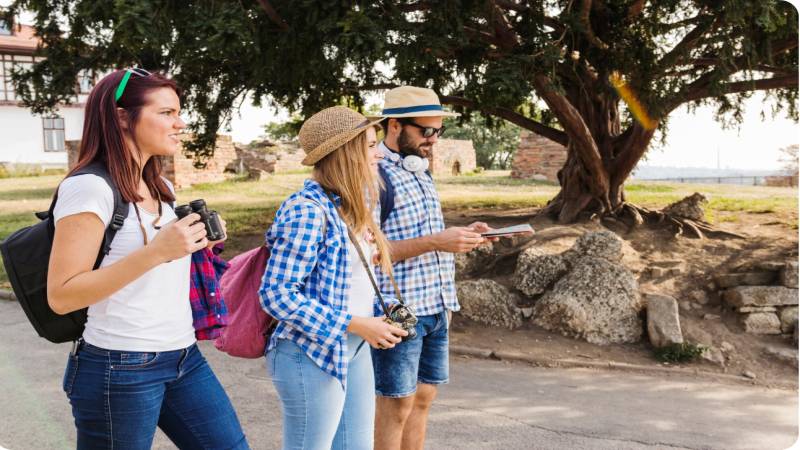
Backpacking is one of the most rewarding ways to explore new places. It gives travelers the freedom to move at their own pace, experience different cultures, discover less crowded locations, and learn how to travel with only what they truly need. However, a successful backpacking trip requires more than simply putting clothes into a bag and leaving home. Good preparation can make the journey safer, easier, and much more enjoyable.
1. Plan Your Trip Before You Leave
A little planning can prevent many problems during a backpacking adventure. Start by deciding where you want to go, how long you want to stay, and what type of experience you want. Research the climate, local transportation, accommodation options, cultural customs, and important travel rules of your destination.
You do not need to plan every minute of your trip. In fact, leaving some free time can make backpacking more exciting. Instead, create a general route and identify important places you definitely want to visit.
Check the weather before departure and consider how conditions may change during your trip. If you are traveling between several regions, remember that the climate can vary significantly from one place to another.
2. Pack Light and Pack Smart
One of the most important backpacking principles is to avoid carrying unnecessary items. A heavy backpack can quickly become uncomfortable, especially when you are walking through airports, train stations, cities, or hiking trails.
Choose lightweight clothing that can be mixed and matched. Pack items that can serve multiple purposes, such as a jacket that works in cool weather and light rain. Instead of bringing many pairs of shoes, select comfortable footwear suitable for most activities.
Basic backpacking tips cwbiancavoyage from conversationswithbianca should always include packing only what you genuinely expect to use. Before leaving, place everything you intend to pack on the floor and remove items that are unnecessary. You may be surprised by how much you can leave behind.
A useful packing approach is to organize belongings into small bags or packing cubes. Keep clothing, toiletries, electronics, and documents separate so that you can find things quickly.
3. Choose the Right Backpack
Your backpack is one of the most important pieces of equipment on your journey. It should be comfortable, durable, and appropriate for the length and style of your trip.
Do not automatically choose the largest backpack available. A larger bag can encourage overpacking. Select a size that gives you enough room for your essential belongings without becoming excessively heavy.
Try the backpack before your trip. Adjust the shoulder straps and waist belt so the weight is distributed comfortably. The heaviest items should generally be positioned close to your back, while lighter items can go toward the outside.
A rain cover or waterproof protection can also be useful, particularly when traveling in areas where sudden rainfall is common.
4. Protect Your Important Documents
Travel documents should always be treated as essential items. Keep your passport, identification, visas, tickets, travel insurance information, and other important documents in a secure location.
It is also wise to keep digital copies of important documents. Store them securely so you can access them if the originals are lost or damaged.
Avoid keeping all your money and cards in one place. If possible, carry a small amount of emergency cash separately from your primary wallet. This gives you an alternative if your wallet is misplaced.
When staying in shared accommodation, use available lockers or other secure storage for valuable belongings.
5. Create a Realistic Budget
Backpacking can be affordable, but expenses can increase quickly when you are not tracking them. Before your trip, estimate how much you can spend on accommodation, transportation, food, activities, and emergencies.
Make room for unexpected costs. A delayed bus, last-minute accommodation, medical expense, or change in travel plans can require additional money.
You can save money by using public transportation, preparing some of your own meals, choosing reasonably priced accommodation, and prioritizing experiences that are meaningful rather than expensive.
However, saving money should not mean sacrificing basic safety or comfort. The cheapest option is not always the best option, especially when it comes to transportation, accommodation, or essential equipment.
6. Learn About Local Culture
Travel becomes more meaningful when you take time to understand the places you visit. Learn a few common words and phrases in the local language. Even simple greetings and expressions of thanks can help create positive interactions.
Research local customs before arriving. Dress appropriately when required, respect religious and cultural traditions, and ask permission before photographing people when appropriate.
Avoid assuming that your normal habits are acceptable everywhere. Every destination has its own expectations, and respecting them shows consideration for local communities.
Good backpacking tips cwbiancavoyage from conversationswithbianca also involve being an observant traveler. Pay attention to how local people behave and follow appropriate customs rather than expecting your destination to operate exactly like home.
7. Keep Your Health in Mind
Long journeys can be physically demanding. Walking for hours, carrying a backpack, changing sleeping environments, and adapting to different foods can make travelers tired.
Drink enough water and eat regular meals. Try to maintain a balanced diet, even when you are eating on a limited budget. Get enough sleep whenever possible.
Before traveling, consider whether you need routine vaccinations, medications, or other health preparations based on your destination. Keep necessary medicines in their original packaging and carry relevant information about them.
Comfortable footwear is especially important. Blisters and sore feet can quickly turn an enjoyable trip into an unpleasant experience.
8. Stay Aware of Your Surroundings
Backpacking involves exploring unfamiliar places, so situational awareness is important. Pay attention to your surroundings, particularly when walking at night or visiting busy transportation areas.
Keep your valuables secure and avoid displaying large amounts of cash. Be cautious when accepting help or offers from strangers, especially if something feels unusual or pressured.
Before arriving in a new destination, know where you are staying and understand how you will get there. Having a basic plan can make your arrival much less stressful.
Trust your instincts. If a situation feels unsafe, leave and find a more secure environment.
9. Be Flexible When Plans Change
Even the best travel plans can change. Buses may be delayed, weather can disrupt activities, accommodations can become unavailable, or you may simply discover somewhere you want to stay longer.
Flexibility is one of the great advantages of backpacking. Rather than becoming frustrated by every change, try to treat unexpected events as part of the experience.
Keep important reservations and confirmations accessible, but avoid creating an itinerary so strict that one delay ruins your entire trip.
A flexible attitude can also lead to memorable experiences. Some of the best travel moments happen when plans develop naturally.
10. Use Technology Wisely
A smartphone can be extremely useful during a backpacking trip. Maps, translation tools, transportation information, digital tickets, and travel documents can all make travel easier.
However, do not depend entirely on technology. Download maps or important information for offline use when possible. Carry a power bank and keep your phone charged before long journeys.
Protect your devices with strong passwords and avoid connecting to unfamiliar networks when handling sensitive information.
Technology should support your trip rather than control it. Remember to put your phone away sometimes and enjoy the environment around you.
11. Respect Nature and Local Communities
Responsible travel is an important part of modern backpacking. Avoid leaving rubbish behind, follow marked trails, and respect wildlife. Do not remove natural objects from protected areas.
When visiting small communities, support local businesses when possible and treat residents respectfully. Learn about local rules regarding photography, camping, fires, and environmental protection.
Travelers have a responsibility to leave destinations in good condition for future visitors and local residents.
12. Keep Your Backpack Organized
Organization can save time and reduce stress. Keep frequently used items somewhere easy to reach. Items such as a water bottle, small snack, sunscreen, rain protection, or travel documents should not be buried at the bottom of your bag.
Use separate compartments or small pouches for different categories of belongings. Keep dirty clothes separate from clean ones.
At the end of each day, take a few minutes to reorganize your backpack. This small habit can make the following morning much easier.
13. Do Not Forget Travel Insurance
Travel insurance can provide useful protection against unexpected situations. Depending on the policy, coverage may include certain medical expenses, trip interruptions, lost luggage, or other travel-related problems.
Read the policy carefully rather than assuming everything is covered. Pay attention to exclusions, activity restrictions, coverage limits, and emergency procedures.
Insurance is particularly worth considering for longer trips or adventures involving outdoor activities.
14. Learn to Enjoy the Journey
The purpose of backpacking is not simply to collect destinations. It is an opportunity to slow down, experience different surroundings, meet people, and learn from unfamiliar situations.
You may encounter difficulties along the way. You might miss a connection, get caught in bad weather, or struggle to communicate. These moments can be frustrating, but they can also teach valuable lessons.
Take photographs, keep notes if you enjoy writing, and make time to appreciate small experiences. A quiet conversation with a local person or an unexpected view can become more memorable than a major tourist attraction.
The most useful backpacking tips cwbiancavoyage from conversationswithbianca are often simple: prepare carefully, carry less, stay aware, respect others, and remain open to new experiences.
15. Prepare for Your Return Home
Returning home is another part of the journey that deserves some planning. Before leaving your final destination, check your documents, luggage, electronic devices, and personal belongings.
Allow enough time for transportation to airports, stations, or other departure points. Keep important travel information accessible until you have safely completed your journey.
After returning, give yourself time to rest and recover. Organize your photographs, memories, and notes while the experience is still fresh.
Conclusion
Backpacking offers a unique combination of independence, adventure, learning, and personal growth. You do not need expensive equipment or a perfectly planned itinerary to enjoy it. What matters most is being prepared for the basics while remaining flexible enough to enjoy unexpected experiences.
Start with a realistic plan, pack only essential belongings, protect your documents and money, respect local communities, look after your health, and remain aware of your surroundings. As you gain experience, you will discover which items and routines work best for your personal travel style.
Ultimately, successful backpacking is about finding a balance between preparation and freedom. With thoughtful planning and a positive attitude, even a simple journey can become an unforgettable adventure.See More